

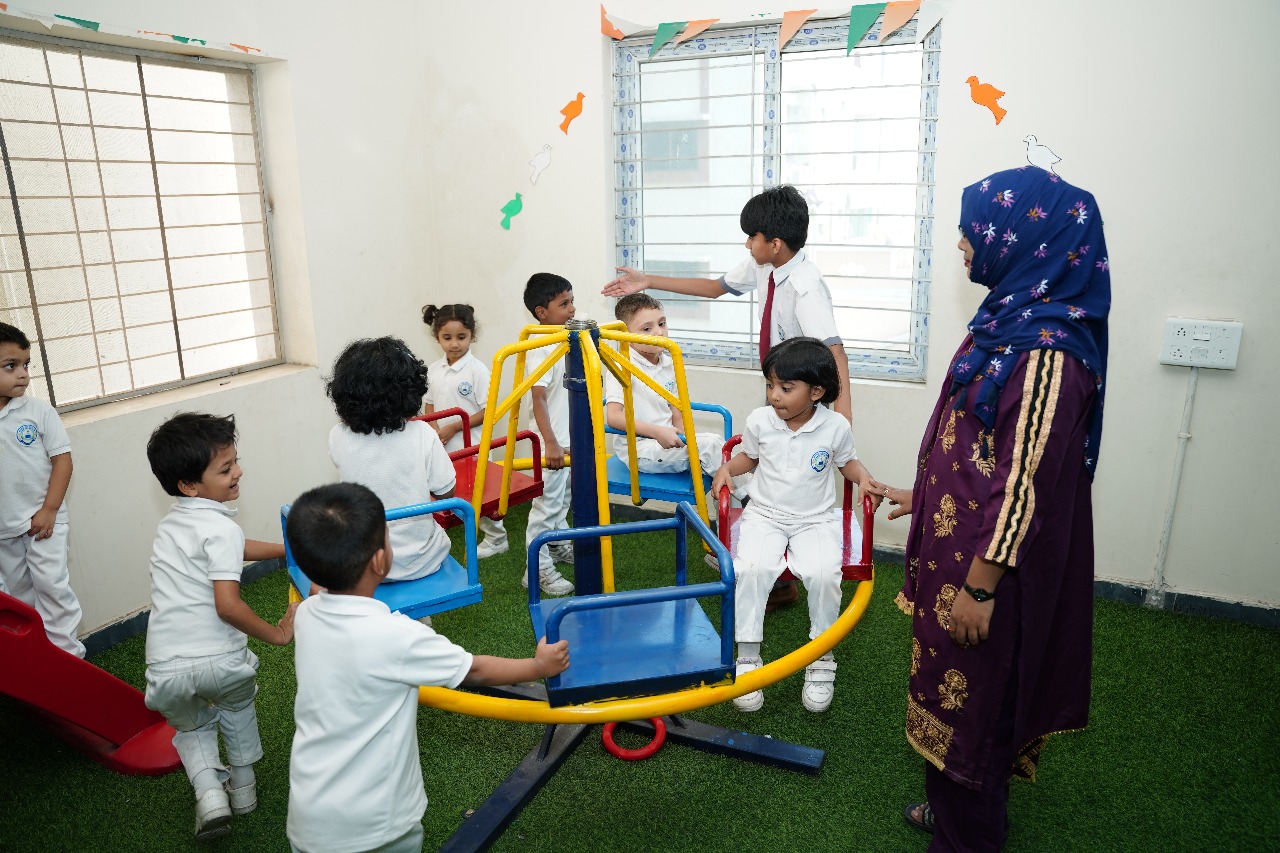
Play-based learning is a fundamental aspect of early childhood education, offering young children invaluable opportunities to explore, learn, and develop essential skills. At Stanford School, we believe in the power of play as one of the most effective ways to help children grow intellectually, emotionally, and socially. Here’s why play matters, and how you can incorporate it at home to support your child’s development.
Why Play is Crucial for Early Childhood Development
- Enhances Cognitive Skills
Through play, children are actively engaging with the world around them. Whether building with blocks, solving puzzles, or role-playing, these activities help develop critical thinking, problem-solving, and memory skills. When children explore new ideas and try new things, their brains are constantly building new neural connections, which enhances their ability to learn and think independently. - Fosters Social and Emotional Growth
Play provides a natural setting for children to develop social skills like sharing, cooperation, and communication. Group play, especially, allows children to practice empathy and resolve conflicts. Whether they are playing with peers or adults, these interactions help children understand emotions and learn how to express themselves in a healthy way. - Promotes Creativity and Imagination
When children engage in pretend play, they have the freedom to be creative and invent stories, characters, and scenarios. This fosters imagination, a key component of creative thinking and innovation. Pretend play also allows children to explore different perspectives and scenarios, which can help build problem-solving skills and resilience. - Encourages Physical Development
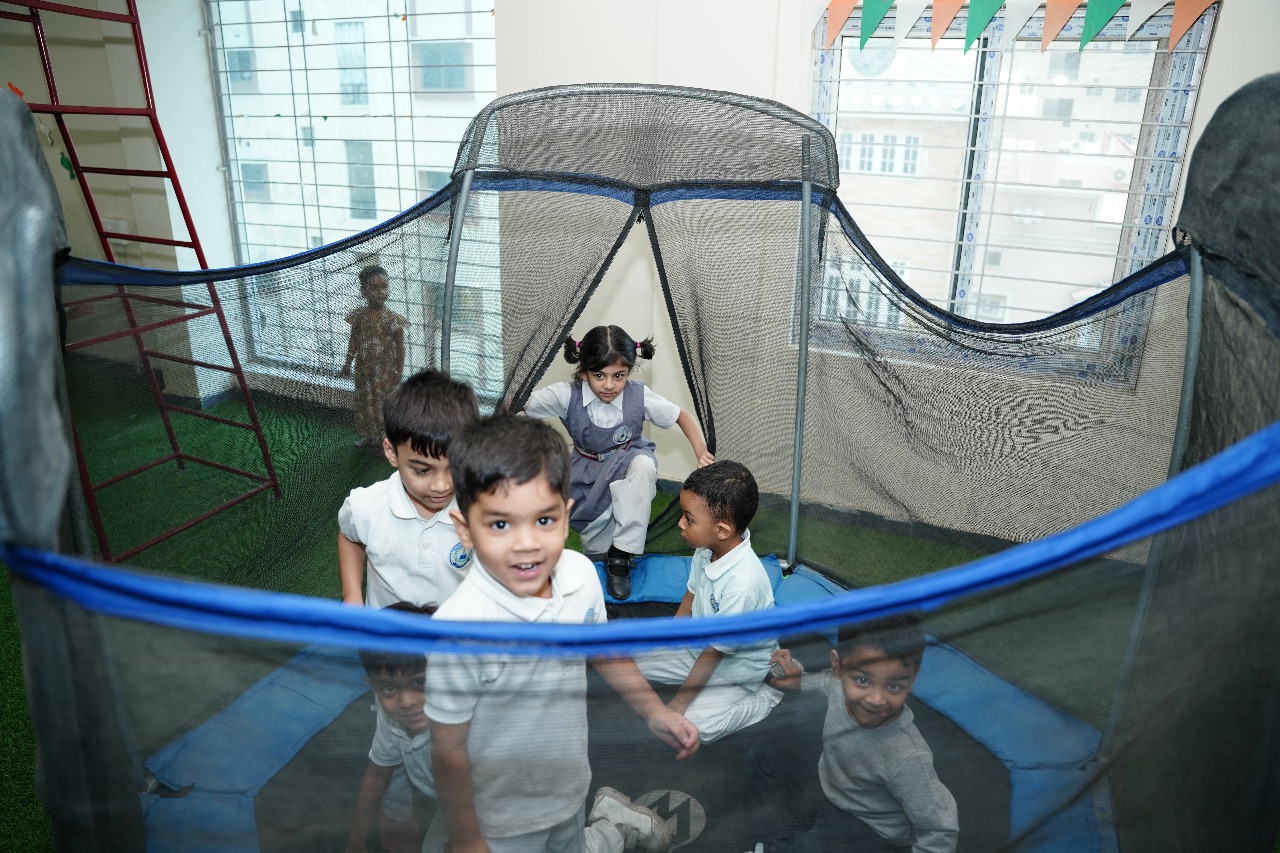
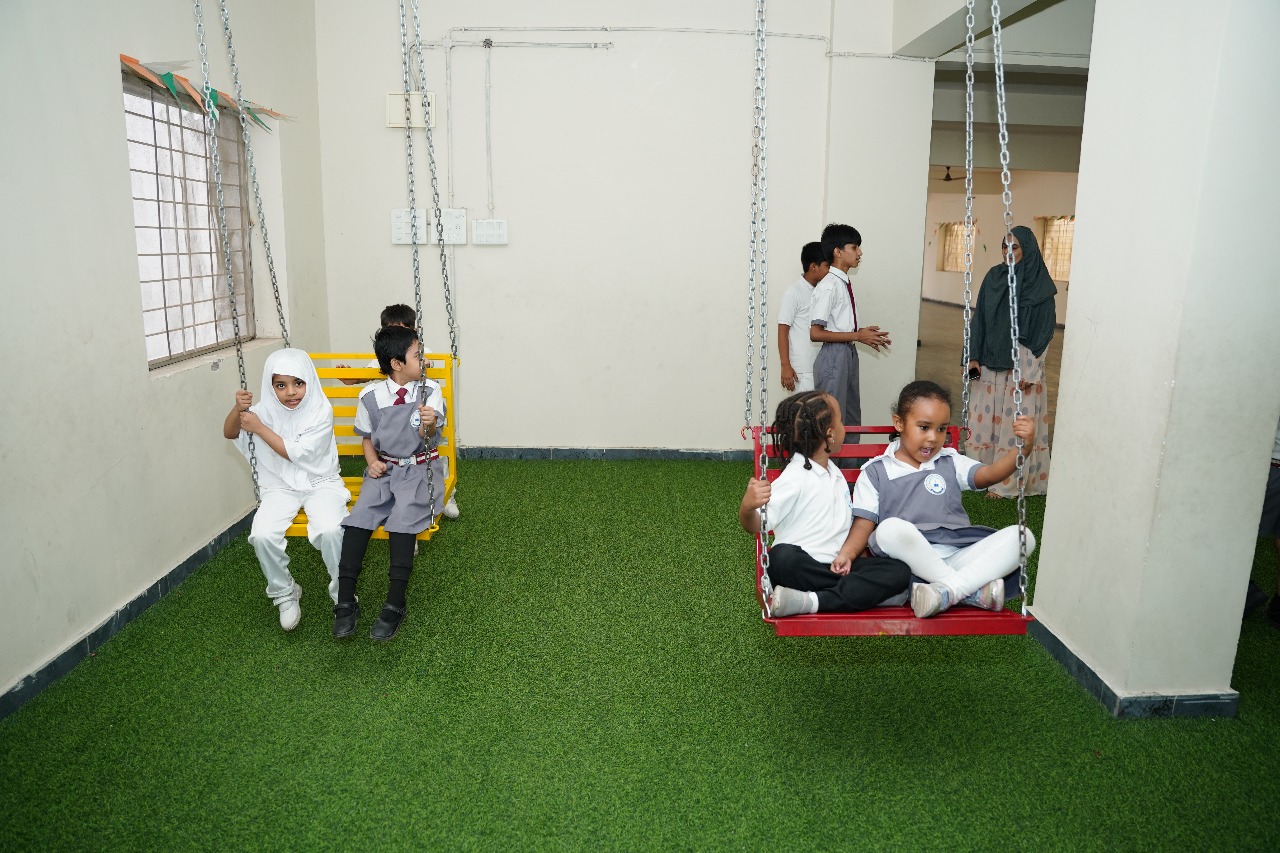
Active play—whether it’s running, jumping, or dancing—helps children develop their gross motor skills, balance, and coordination. Fine motor skills are also honed when children engage in activities like drawing, building, or manipulating small objects. Both types of physical activity are crucial for overall health and development.
How Parents Can Incorporate Play at Home
As a parent, you play an important role in supporting your child’s development through play. Here are some simple ways to encourage play-based learning at home:
- Create a Play-Friendly Environment
Set up a safe and inviting space at home where your child can explore freely. Have a variety of toys, books, art materials, and open-ended play items (like blocks or building sets) available to spark creativity. It’s important that the environment encourages exploration and discovery without being overwhelming. - Be an Active Participant
Children love it when their parents get involved in their play. Whether it’s building a fort out of cushions or playing a pretend game, engage with your child in their playtime. This interaction not only strengthens your bond but also helps them develop communication and social skills. - Encourage Outdoor Play
Outdoor play is crucial for both physical development and learning. Whether it’s playing in the garden, going for a nature walk, or visiting a park, the outdoors provides a wealth of opportunities for your child to explore the world around them. - Let Your Child Lead the Play
Allow your child to take the lead in their playtime. Whether it’s deciding the rules of a game or inventing a new story, giving them the autonomy to make choices boosts their confidence and helps them develop leadership and decision-making skills.
Conclusion
At Stanford School, we see play as an essential tool for learning and development. It’s not just fun—it’s foundational to a child’s growth in every aspect of their life. By incorporating play-based learning into your child’s routine, whether at school or at home, you are setting them on a path to become confident, creative, and capable individuals.